Table of Contents
- Introduction
- 1. Is Downtown Jacksonville, FL Still Dead? What Living Downtown Is Really Like in 2025
- 2. Are There Only Chain Restaurants in Jacksonville, Florida? The Real Food Scene Today
- 3. Is Jacksonville’s Northside Still a Bad Area? Northside Neighborhoods Explained
- 4. How Bad Is Traffic in Jacksonville, FL Now? Commute Times and Growth Impact
- 5. Are Investors Still Ignoring Jacksonville Real Estate? Major Developments in Duval County
- 6. Is Nassau County, Florida Still Rural? Why More People Are Moving North of Jacksonville
- 7. Are Jacksonville Jobs Only Military? Top Industries Hiring in Northeast Florida
- 8. Are Duval County Schools Bad? Updated Jacksonville School Ratings in 2025
- 9. There’s no culture — actually there’s a lot
- 10. Is Green Cove Springs Too Far From Jacksonville? Commute and Lifestyle Breakdown
- 11. Is Jacksonville One of the Fastest Growing Cities in Florida? Population Trends Explained
- 12. Why Jacksonville, FL Is No Longer a “Second-Tier” Florida City for Relocation
- 13. Is Jacksonville Still a Small Town? Metro Growth and Urban Development Update
- 14. Is St. Augustine, Florida Just for Tourists? Living in St. Johns County in 2025
- 15. Are Homes Still Cheap in Jacksonville, FL? Real Housing Prices and Builder Incentives
- Takeaways for Anyone Considering Living in Jacksonville, Florida
- Closing Thoughts
- FAQ
- Final Note
Introduction
If you are living in Jacksonville, Florida or thinking about moving here, you might be surprised at how much has changed. My city has been quietly — and sometimes loudly — reinventing itself. Old reputations that stuck around for years are starting to feel like history textbooks: informative but outdated. Below I break down 15 myths and outdated beliefs about life in Jacksonville and replace them with what’s actually happening in 2025.
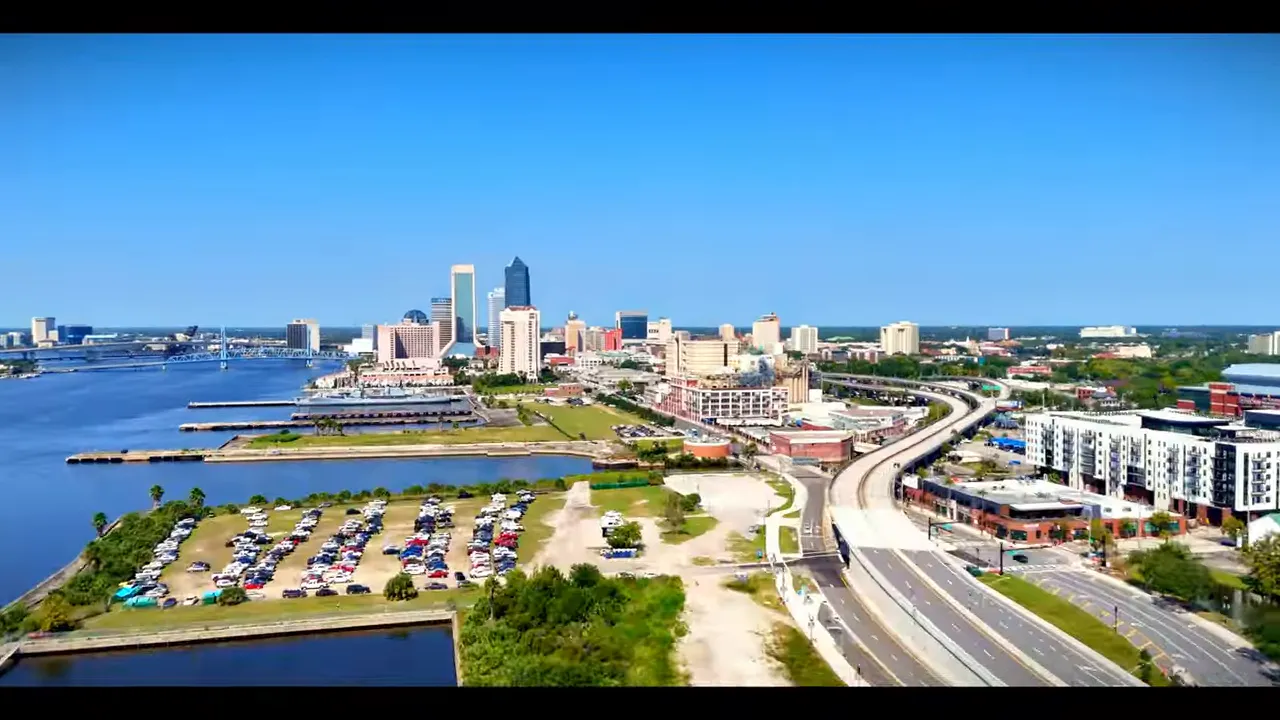
1. Is Downtown Jacksonville, FL Still Dead? What Living Downtown Is Really Like in 2025
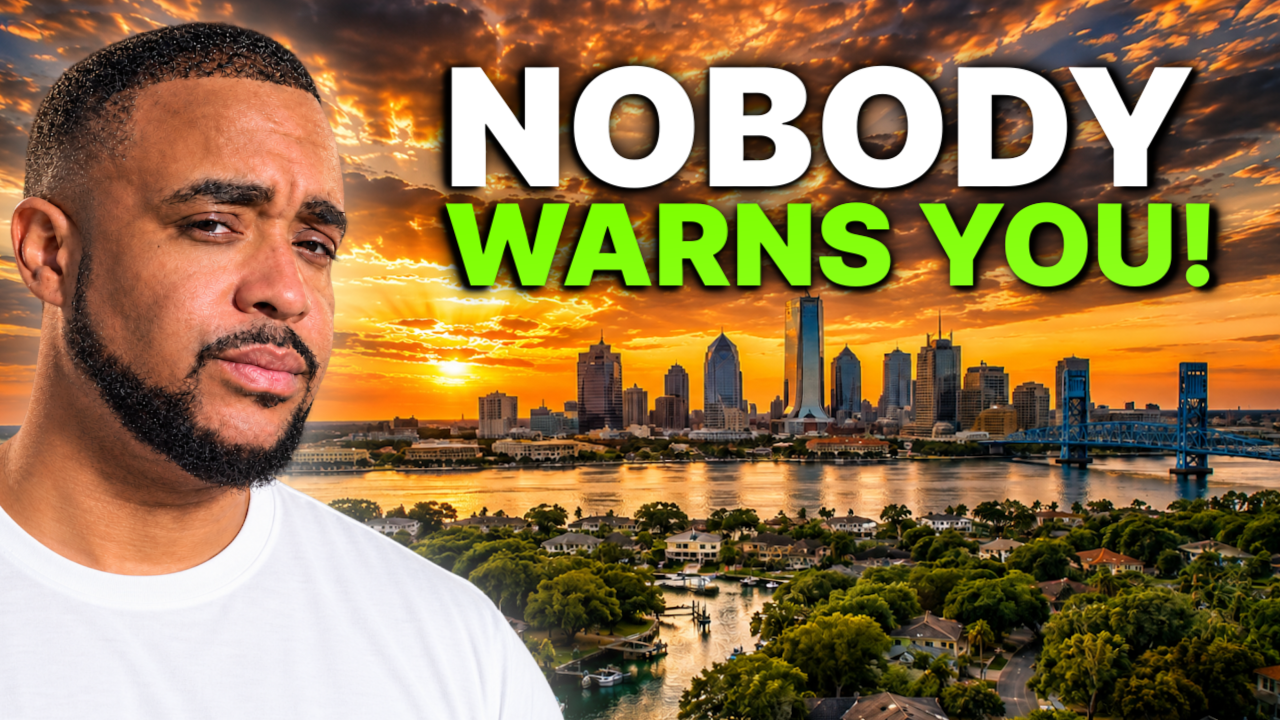
The downtown that once looked like a small ghost town after 5 p.m. has been getting a major facelift. Adaptive reuse projects are breathing life into old landmarks. Where boarded windows and empty storefronts were the norm, you now see rooftop lounges, ground-floor restaurants, mixed-use residential conversions, and public civic spaces.
The shipyard redevelopment, the Four Seasons residences, and the Riverfront Plaza project are visible signs of that shift. These are not small cosmetic upgrades; they represent a long-term effort to turn downtown into a place people live, work, and hang out — not just commute through.
2. Are There Only Chain Restaurants in Jacksonville, Florida? The Real Food Scene Today
The “only chains” joke is aging badly. New independent restaurants and creative concepts are setting the bar. Think elevated casual spots like Rusty 21 Beastro, inventive kitchens such as Ul, international flavors at Nomu Izakaya, and true Korean steakhouse experiences at Vagabond.
Casual options are also growing — Electric Dough’s innovative pizzas, Hollywood Heroes and Subs for a quick lunch, and Instagram-famous local shops like Bunny’s Donut Shop. If you care about food, living in Jacksonville, Florida offers a much broader menu than it did a few years back.
3. Is Jacksonville’s Northside Still a Bad Area? Northside Neighborhoods Explained
The north side of Jacksonville covers a massive area. Painting it with a single negative brushstroke made no sense then and makes even less sense now. Builders are investing, families are moving in, and homes on the north side can be some of the best values in Duval County.
You can still find homes in the low $300,000s while similar houses across the river often command higher prices. The north side is worth a second look if you care about long-term value and resale potential.
4. How Bad Is Traffic in Jacksonville, FL Now? Commute Times and Growth Impact
Jacksonville used to wear “no traffic” like a badge. Now the metro area is north of 1.7 million people and thousands move in each month. Congestion has become real on I‑95, I‑295, JTB, Blanding Boulevard, and other major corridors.
Commutes that used to be 20 minutes can stretch to 45 on a bad day. The city is planning express lanes and expanding the First Coast Expressway, but for now it pays to plan your travel windows and be realistic about drive times.
5. Are Investors Still Ignoring Jacksonville Real Estate? Major Developments in Duval County
If you think developers and investors aren’t interested, look around. The “Stadium of the Future” upgrades to the Jaguars’ home, the Four Seasons arrival, Riverfront Plaza, Bay Center Innovation Corridor, and dozens of residential and commercial projects across Duval, St. Johns, Nassau, and Clay show the heat of investment.
These projects bring private and public capital, infrastructure upgrades, and jobs — and they change how neighborhoods evolve over the next decade.
6. Is Nassau County, Florida Still Rural? Why More People Are Moving North of Jacksonville
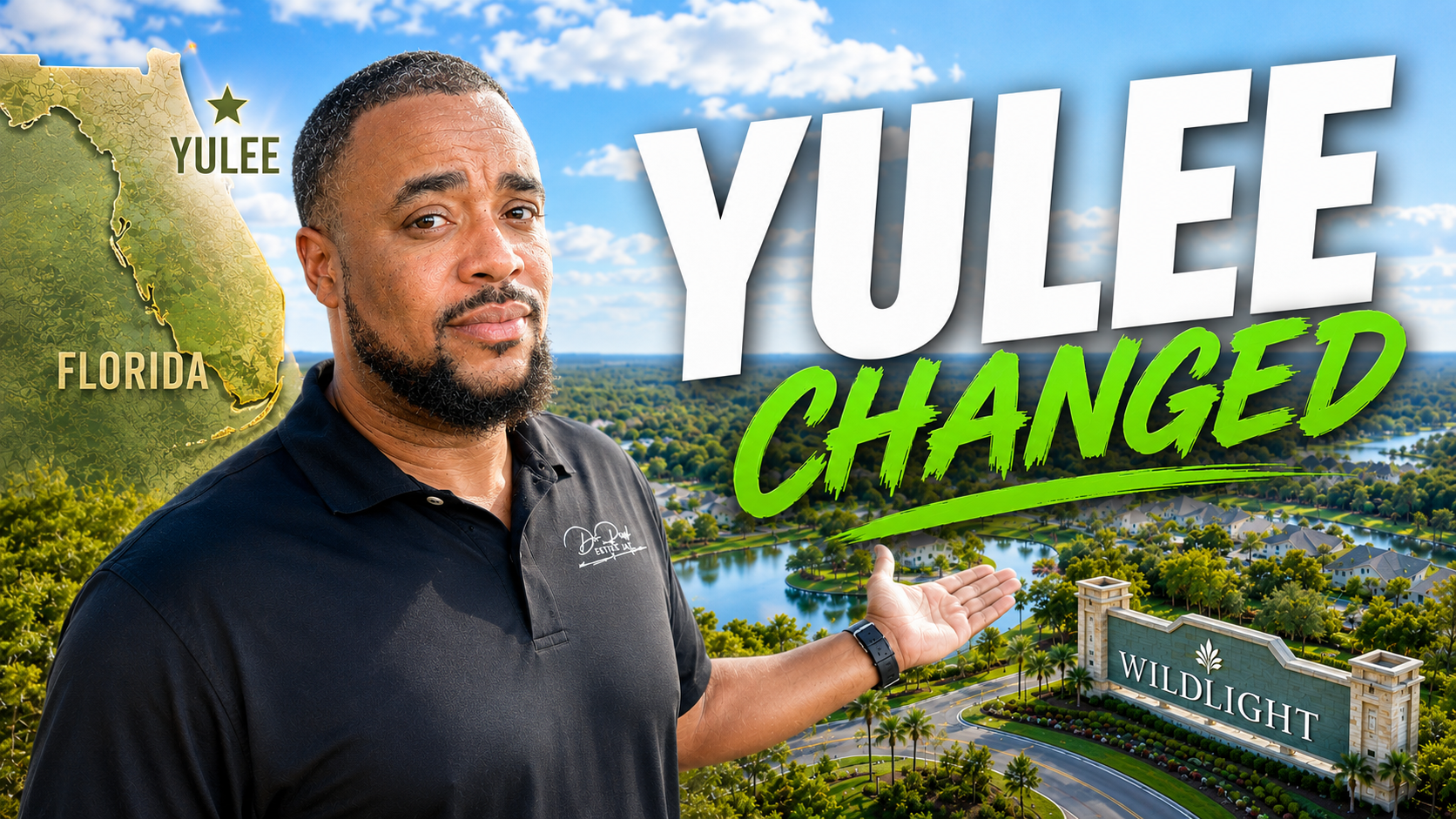
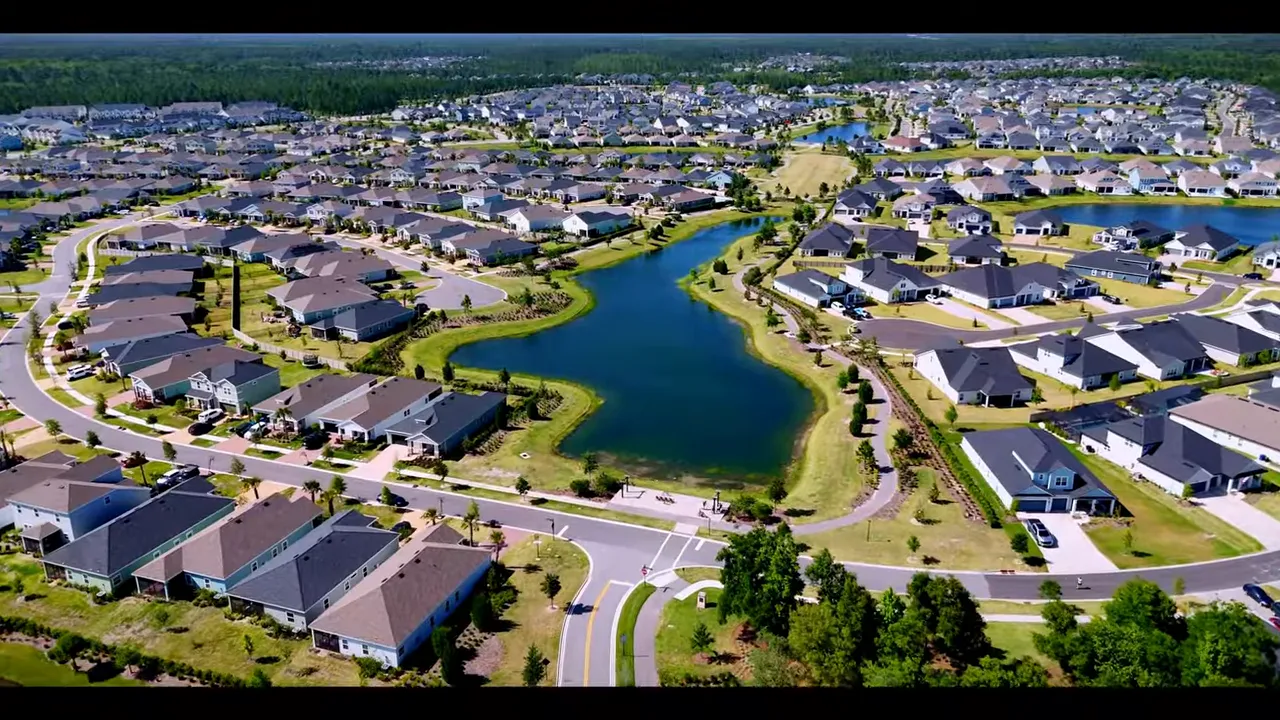
Nassau used to be written off as farmland and pines. Today it’s a growing collection of master-planned communities — Wildlife (a 24,000-acre planned community), Riverbend, and Amelia Walk among them. These developments include schools, commercial centers, and even YMCA facilities.
Average prices that were once around $250,000 are now in the mid- to high-$400,000s in new neighborhoods. Infrastructure is catching up with new grocery stores, upgraded corridors, and more commercial space. If you haven’t revisited Nassau in the last two or three years, it’s worth another look.
7. Are Jacksonville Jobs Only Military? Top Industries Hiring in Northeast Florida
The military remains important, but Jacksonville’s economy is diversified. Financial services have a strong footprint — FIS Global, Fidelity, and other fintech players make this area a major financial hub in Florida. Healthcare is huge: Baptist, UF Health, Mayo Clinic, HCA, and Ascension are expanding and hiring.
Logistics and distribution are booming thanks to JAXPORT and large employers like Amazon, Wayfair, and Home Depot. The net effect: more career paths and more stability across sectors.
8. Are Duval County Schools Bad? Updated Jacksonville School Ratings in 2025
Duval County earned an A rating in 2025 for the first time, marking real change. A larger share of schools now carry A or B ratings, graduation rates have risen, and magnet programs, early college tracks, and career-focused academies are expanding.
Not all schools are perfect, so research is essential. But the blanket claim that the area has “bad schools” no longer holds true. For families, that makes living in Jacksonville, Florida a more attractive option than past narratives suggested.
9. Is There Anything to Do in Jacksonville, FL? Arts, Culture, and Entertainment Guide
Culture isn’t missing — it’s localized. Museums, theaters, symphonies, mural projects, and gallery nights create a vibrant arts ecosystem. The MOCA, Cummer Museum, the Ritz, Jacksonville Symphony, and street festivals like ArtWalk, Jazzfest, Spring in the Blues, and Porchfest draw crowds.
The Emerald Trail is stitching neighborhoods together, creating walkable corridors filled with public art and local makers. If you think Jacksonville lacks culture, you’re probably not exploring the right neighborhoods.
10. Is Green Cove Springs Too Far From Jacksonville? Commute and Lifestyle Breakdown
Green Cove Springs moved from being a fishing stop to a high-demand residential area. National builders are active there, and you can still find larger homes with lakeside views and community amenities at prices that make sense for many buyers.
The First Coast Expressway expansions will only improve access and reduce the “too far” stigma even more.
11. Is Jacksonville One of the Fastest Growing Cities in Florida? Population Trends Explained
Since 2018 the Jacksonville metro area added roughly 200,000 residents. We’re in the top 10 for net migration. People are moving here for lower cost of living, no state income tax, new construction, and lifestyle options.
Growth pushes demand for roads, schools, groceries, and services — and that is materializing across the region.
12. Why Jacksonville, FL Is No Longer a “Second-Tier” Florida City for Relocation
Jacksonville is on the map as a top relocation destination for out-of-state buyers from New York, Chicago, California, and beyond. Buyers are choosing this area for bigger lots, newer homes, relative affordability, and expanding job markets.
Between sports, ports, healthcare, and tech, the city now offers many of the features people look for in a primary relocation target without the premium cost and gridlock some other cities bring.
13. Is Jacksonville Still a Small Town? Metro Growth and Urban Development Update
There’s still southern charm here, but the skyline, the density of downtown projects, and the breadth of amenities are transforming Jacksonville into a metropolitan city. The urban core is developing in ways that create new entertainment, dining, and housing options that previously weren’t available.
That transition means new opportunities and new challenges, but it also means more reasons to consider living in Jacksonville, Florida if you want city features without the highest-tier price tag.
14. Is St. Augustine, Florida Just for Tourists? Living in St. Johns County in 2025
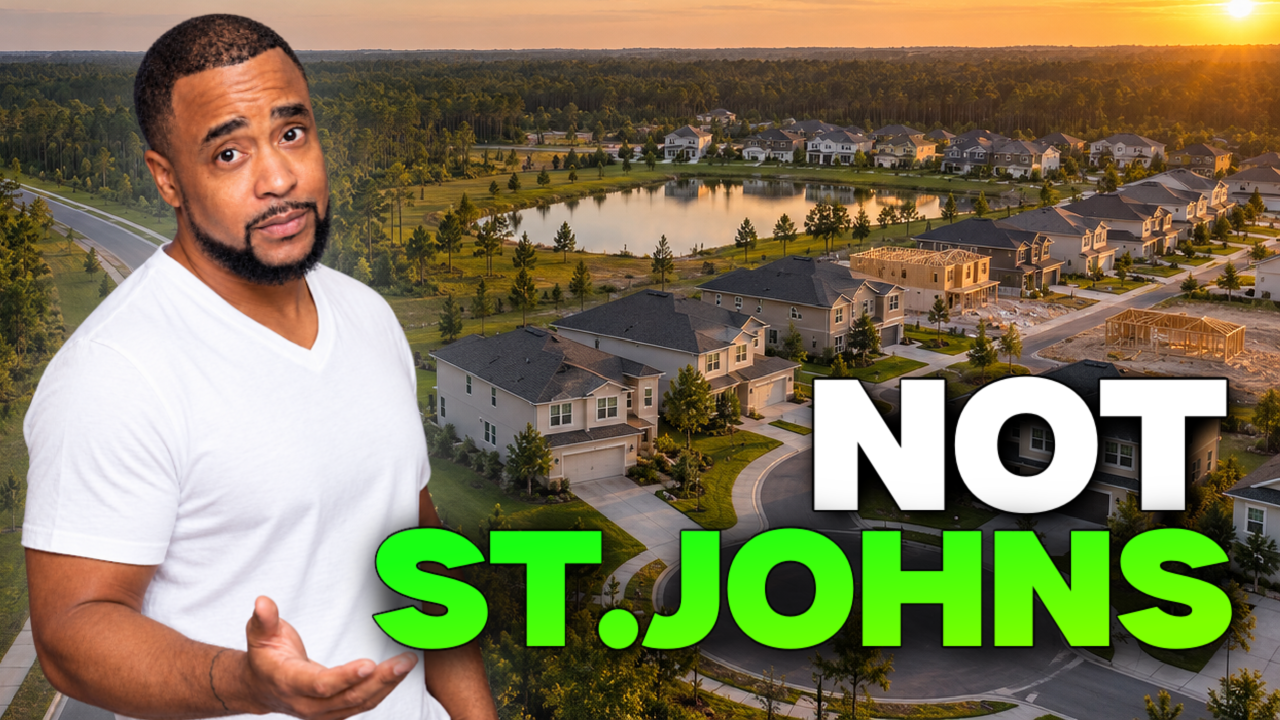
St. Augustine’s historic charm still draws visitors, but locals are buying into the region in force. St. Johns County schools are among the top in the state, and neighborhoods like Beachwalk, Madera, Silverleaf, and Beacon Lake offer gated, resort-style living just minutes from historic downtown.
Many buyers are moving there for lifestyle, schools, and the quality of life — not just weekend visits.
15. Are Homes Still Cheap in Jacksonville, FL? Real Housing Prices and Builder Incentives
The days of $215,000 three-bed, two-bath new builds in many areas are largely gone. By 2025 similar specs often land in the mid-$300,000s, with townhomes and lakefronts carrying premiums. That said, incentives are back: builders are offering closing costs, rate buydowns, and other concessions to help buyers handle sticker shock.
The key is knowing where to look and how to negotiate incentives. Value is still present for informed buyers, but the landscape is different.
Takeaways for Anyone Considering Living in Jacksonville, Florida
- Explore neighborhoods before you decide — schools, commute, and amenities can vary block by block.
- Expect more traffic than previous decades; plan commute times accordingly.
- Look for incentives from builders if new construction is your path.
- Check school ratings carefully; Duval improved, but pockets still vary.
- If you like food and culture, the options are expanding rapidly across the city.
Closing Thoughts
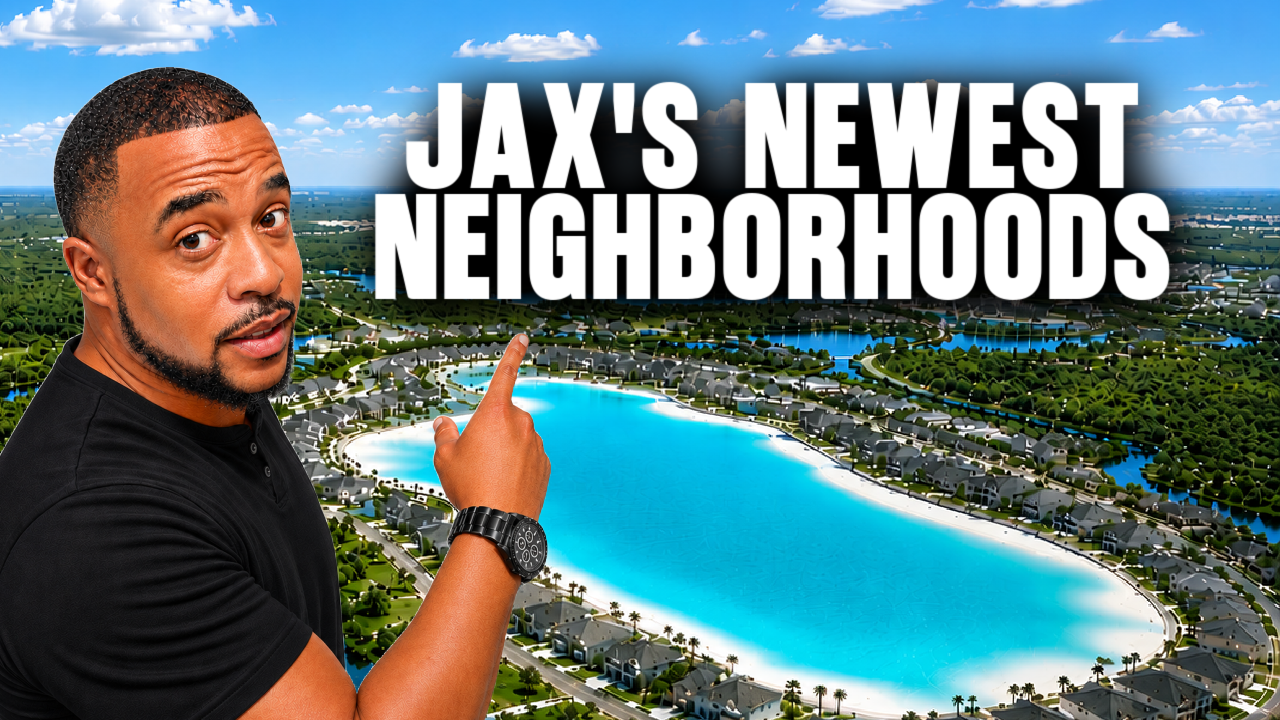
Jacksonville has changed. For people choosing where to live, this shift matters. New development, improving schools, a growing jobs market, a maturing food scene, and revitalized public spaces have altered the city’s trajectory. If you are considering living in Jacksonville, Florida now is a great time to take a fresh look — the city offers a wider range of choices and lifestyles than many assume.
Whether you want waterfront townhomes, quiet family suburbs, booming school districts, or a second home near historic towns, find the neighborhoods that match your priorities. The old stories — downtown is dead, the schools are all bad, there’s nothing new — are mostly outdated. The reality is more nuanced, more vibrant, and more promising.
FAQs
Is Jacksonville a good place to raise a family?
Yes. Many neighborhoods now offer strong schools, new residential communities, and family-focused amenities. Duval County’s recent A rating and an increase in A and B schools make parts of the city very family-friendly. Do research school zones and magnet programs that match your child’s needs.
How bad is traffic if I start living in Jacksonville, Florida?
Traffic has increased with population growth. Peak corridors can be congested. Plan for longer commutes during rush hours and consider where you live relative to work to reduce drive times.
Are housing prices still affordable?
Home prices have risen compared with several years ago. While some areas remain relatively affordable, others have moved up. Builders often offer incentives that can offset part of the cost, so exploring those options can help.
Is downtown Jacksonville worth considering for living?
Absolutely. Downtown now has mixed-use developments, restaurants, and green spaces that make urban living more attractive. If you want a walkable, amenity-rich environment, downtown should be on your list.
Should I consider Nassau County or St. Augustine?
Both areas are growing and offer different benefits. Nassau has large master-planned communities and rising prices; St. Augustine combines historic charm with high-quality schools and resort-style neighborhoods. Your priorities — commute, schools, lifestyle — will guide the choice.
How can I find the best neighborhoods for my needs?
Start with priorities: commute time, school ratings, housing type, and lifestyle amenities. Tour neighborhoods at different times of day and consult local real estate professionals who know current incentives and market trends.
Final Note
The story of living in Jacksonville, Florida in 2025 is one of transition. Some things improved quickly, others are evolving. The most important move you can make is to gather current data, visit neighborhoods, and base decisions on up-to-date realities rather than old reputations.
Ready to find your next home or have questions about neighborhoods in Jacksonville? Call or text me now at (904) 414-2274 and my team will get you personalized guidance and schedule a tour.